
Questions readers send most
Men's Health Supplement Questions
These are the questions readers send us most often about men's health supplements sold in Indonesia. The answers stick to ingredients, formats, and practical use. If your question isn't here, write to us and we'll consider adding it.
Ingredients and formats
Which Ingredients Are Common in Men's Products Here?
The recurring names are Panax ginseng, Eurycoma longifolia (pasak bumi), Ginkgo biloba, zinc, vitamin B6, and saw palmetto. Multi-herb blends often combine several of these. Nutrient products keep to one or two.
Pasak bumi is worth noting because it's a Southeast Asian staple that shows up far more in Indonesian formulas than in Western ones.
Multivitamin or stamina formula: what's the difference?
A multivitamin covers vitamins and minerals for daily nutritional support, like GNC Men's Health or Nuvita Nutri Men. A stamina formula builds on botanicals for vitality positioning, like Natureline Men's Health with its five-herb blend. The ingredient list tells you which one you're holding. They're different products with different goals.
- Multivitamin
- One or two vitamins and minerals per serving; the label leads with nutrient names and amounts.
- Stamina blend
- Several Latin botanical names grouped as a blend; the positioning sits around vitality, not nutrition.
Are herbal vitality products the same as prostate products?
Not quite. Prostate-support products lean on ingredients like saw palmetto and target one age-related concern. Herbal vitality blends spread across several traditional themes, including stamina and libido. Saw palmetto can appear in both, so check the list. The positioning differs even when an ingredient overlaps.
How to tell them apart
Read the description on the panel before the blend. One product narrows to a single concern; the other lists several traditional themes. Overlapping ingredients are normal — the surrounding wording is what separates the two.
Which ingredients get linked to libido, energy, or fertility?
In retail copy, Eurycoma longifolia and Epimedium often sit near libido and stamina messaging, while blends mention fertility and sperm production. These are traditional positioning themes rather than documented outcomes. Ginseng tends to carry the energy and vitality angle. Reading the list tells you which theme a product leans on.
Treat the wording as a shelf category
A traditional theme tells you where a bottle sits on the shelf and who it is marketed to. It is not a promise about what happens after you take it.
How do I know if it's a vitamin, an herbal product, or a remedy?
Look at the ingredient names. Vitamins and minerals point to a nutritional product; Latin botanical names point to an herbal one. Products with several botanicals are traditional-style blends. Indonesian labels often mix English and Indonesian terms, so a quick search on any unfamiliar name settles it.
The ingredient guide
Each name on this site is explained in plain language, so you can match it to the panel in your hand.
Read the Ingredient GuideWhat we do here
We describe ingredients, formats, and categories. We don't rank products, hand out scores, or claim a compound will change a health outcome. The products described here are general wellness supplements sold through retailers and pharmacies — not prescription items. If you have a condition or take medication, talk to a pharmacist or doctor before adding anything.
How we put these answers together
How Should I Use the Site's Information?
Use it to understand labels and categories, then decide with the ingredient list in hand. The ingredient guide explains individual components, the product catalog compares categories, and the choosing page walks through the decision. We don't rank or sell products.
What you can check yourself
Ingredient order, the serving size, the count per bottle, and whether an age-specific version exists. These four things answer most label questions before you buy.
What we can't settle for you
Whether a product suits your body, your medication, or your health history. That conversation belongs with a pharmacist or doctor who knows your situation.
Do you update the guides?
We do when a listing changes or a reader points out an error. Indonesian retail assortments shift, and 30-count listings that were live can move or change. If you notice something out of date, tell us on the contact page and we'll re-check the entry.
Tell us about an outdated listingWhat should I look for in a daily multivitamin?
Check the ingredient order, the serving size, and the count per bottle. A 30-count product at one daily is a month's supply. If you're over 50, see whether an age-specific version exists, as with Garden of Life's over-50 listing. And confirm there's no overlap with anything else you take.
Do these products need a prescription?
The products described here are general wellness supplements sold through retailers and pharmacies. They aren't prescription items. That said, if you have a condition or take medication, talk to a pharmacist or doctor before adding anything.
Can I ask a specific product question?
Yes. Write to [email protected] with the product name and your question, and we'll answer what the label and category tell us. We can't advise on your personal health situation; that's a conversation for a pharmacist or doctor.
Email your product questionWhich format should I pick: capsule, tablet, or powder?
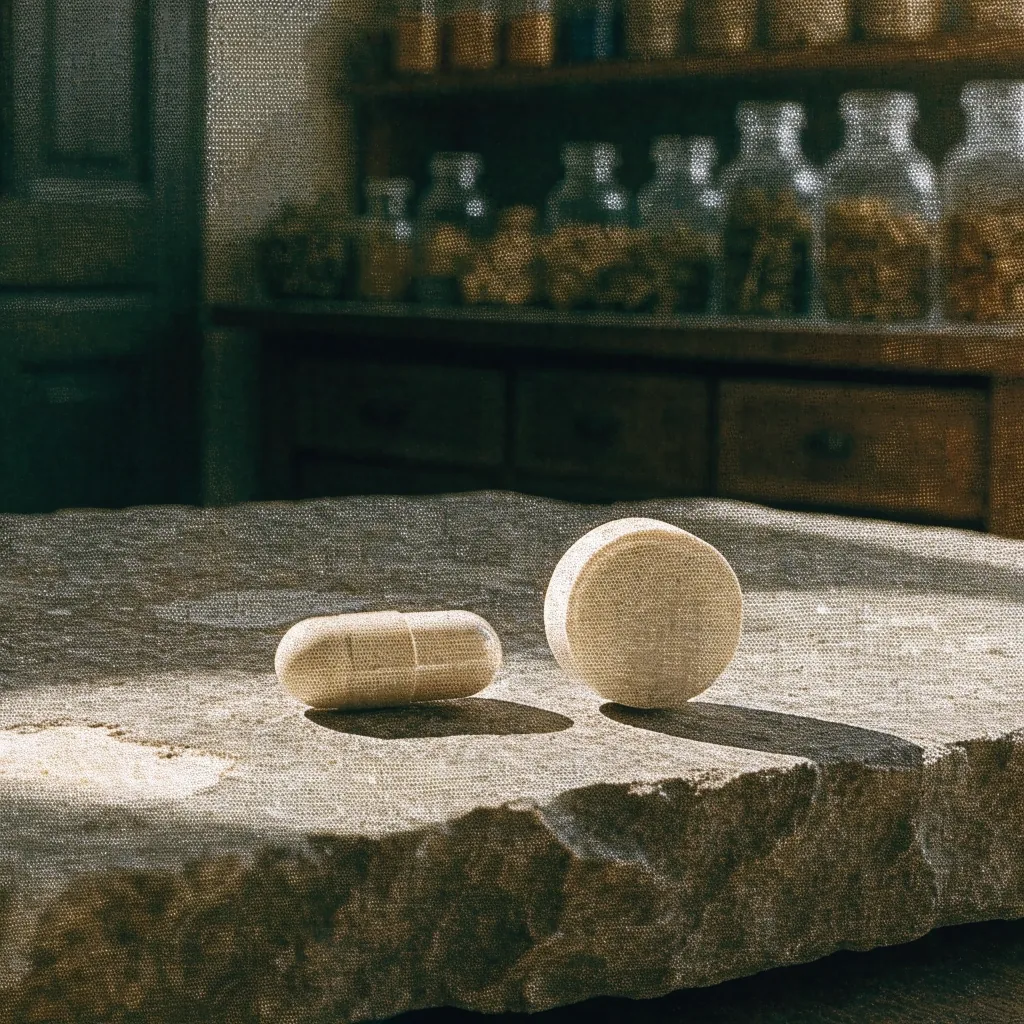
Indonesian shelves lean on capsules and tablets because they travel well in heat and humidity, and a powder shows up mostly in larger herbal tonics. Pick the format you'll actually finish — a bottle you leave in the drawer helps nobody. Check the serving size on the format you buy, since one tablet and one scoop rarely match.
What is pasak bumi, and why does it appear so often?
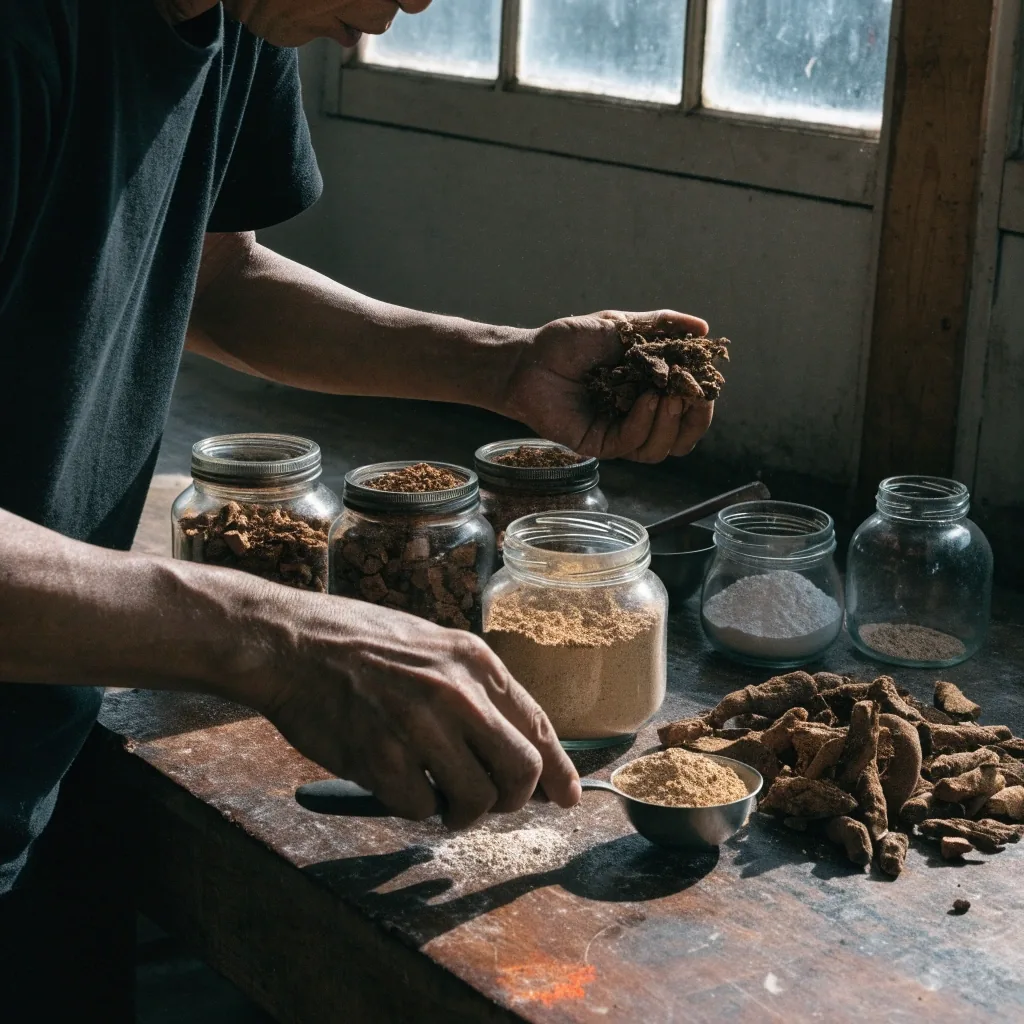
Pasak bumi is Eurycoma longifolia, a root used across Southeast Asia for generations and listed on many Indonesian formulations under that local name. It appears in traditional-theme blends and in single-root products. On a label, treat it as the botanical that carries the stamina and vitality positioning described in this guide's opening.
Before you buy anything
Bring three things to the shelf: the ingredient list, the serving size, and any medication you already take. If the list answers all three, you're reading a complete panel. If something is missing, keep the bottle on the shelf until you can ask a pharmacist.
Where to look next
- Ingredient guide Plain-language notes on ginseng, pasak bumi, Ginkgo biloba, zinc, vitamin B6, and saw palmetto.
- Product catalog Category-by-category comparison of multivitamins, herbal blends, and single-nutrient formats.
- Choosing a men's supplement A walk through the decision, from label reading to what to skip.
- Contact us Send a product question or flag a listing that has moved.
Still have a question?
Send the product name and your question. We answer what the label and category tell us, and add the good ones to this page.