
Ingredient guide · Watsons and Natural Farm shelf reference
Common ingredients in men's health supplements
The men's health aisle in Indonesia runs on a familiar set of botanicals and nutrients. This guide explains what each one is, where it comes from, and how it typically appears in products sold locally.
Read the list, not the front label
Most men's formulas in Indonesia are multi-ingredient, and the order on the label is not decoration. Ingredients are listed by weight, so the first ones carry the largest amounts. What follows walks through the botanicals and nutrients you will meet most often, what each one is, and what kind of product it usually turns up in.
Botanical roots
Panax ginseng, Eurycoma longifolia and maca carry the vitality framing in local retail copy.
Circulation and age-related botanicals
Ginkgo biloba and Serenoa repens steer a formula toward general wellness or an older audience.
Nutrients
Zinc and vitamin B6 anchor the simpler, nutritional end of the aisle.
Supporting components
Antioxidants and other minor ingredients sit further down the same list, doing background work.
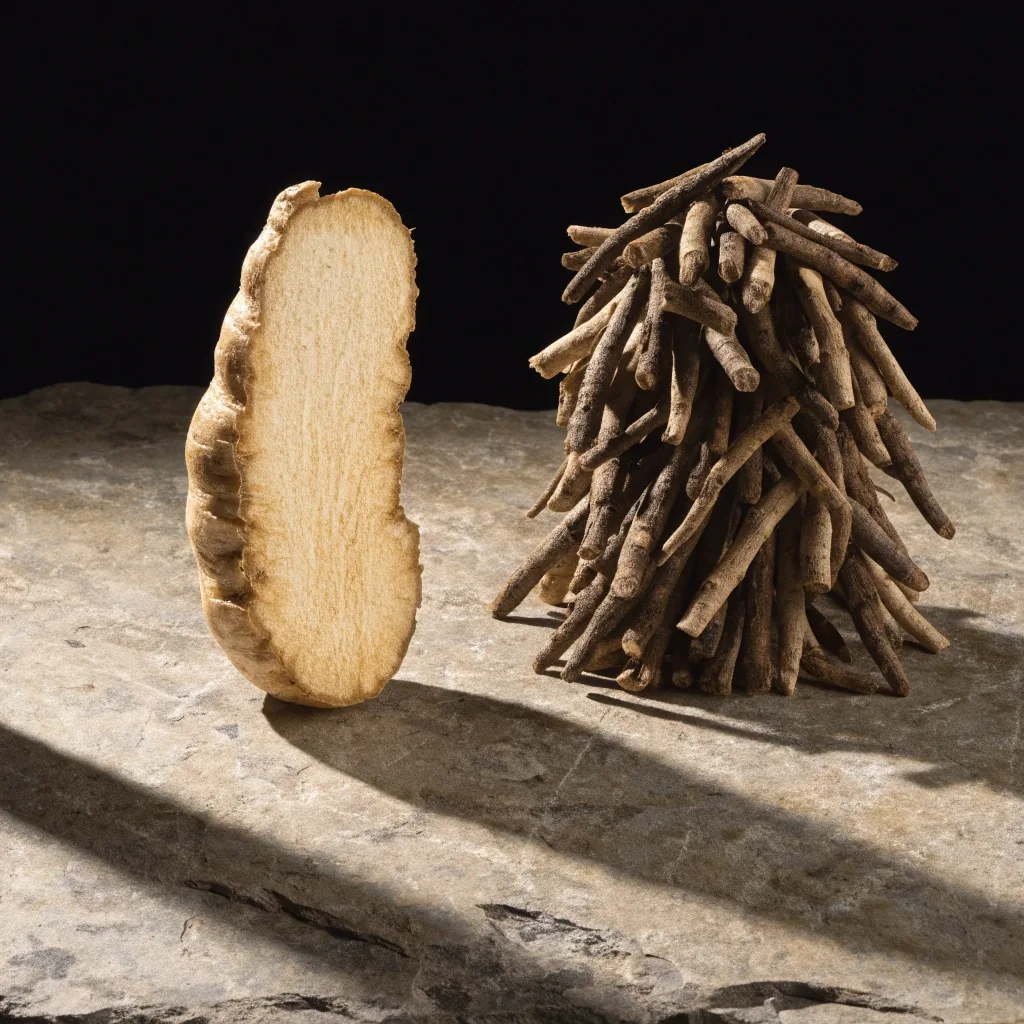
Panax Ginseng
Panax ginseng is one of the most recognizable ingredients in men's formulas, and it appears in Natureline Men's Health on Watsons Indonesia. It's a root used across pharmacy and herbal aisles, most often positioned around vitality and energy. In men's blends it rarely stands alone; it's combined with other botanicals so the formula addresses several traditional wellness goals at once.
If you see ginseng on a label in Indonesia, it's usually part of a multi-herb product rather than a single-ingredient capsule. That is worth knowing before you compare two bottles: ginseng near the top of the list tells you the formula is built around it, while ginseng near the bottom tells you it is present in a supporting amount.

Pasak Bumi
Eurycoma longifolia
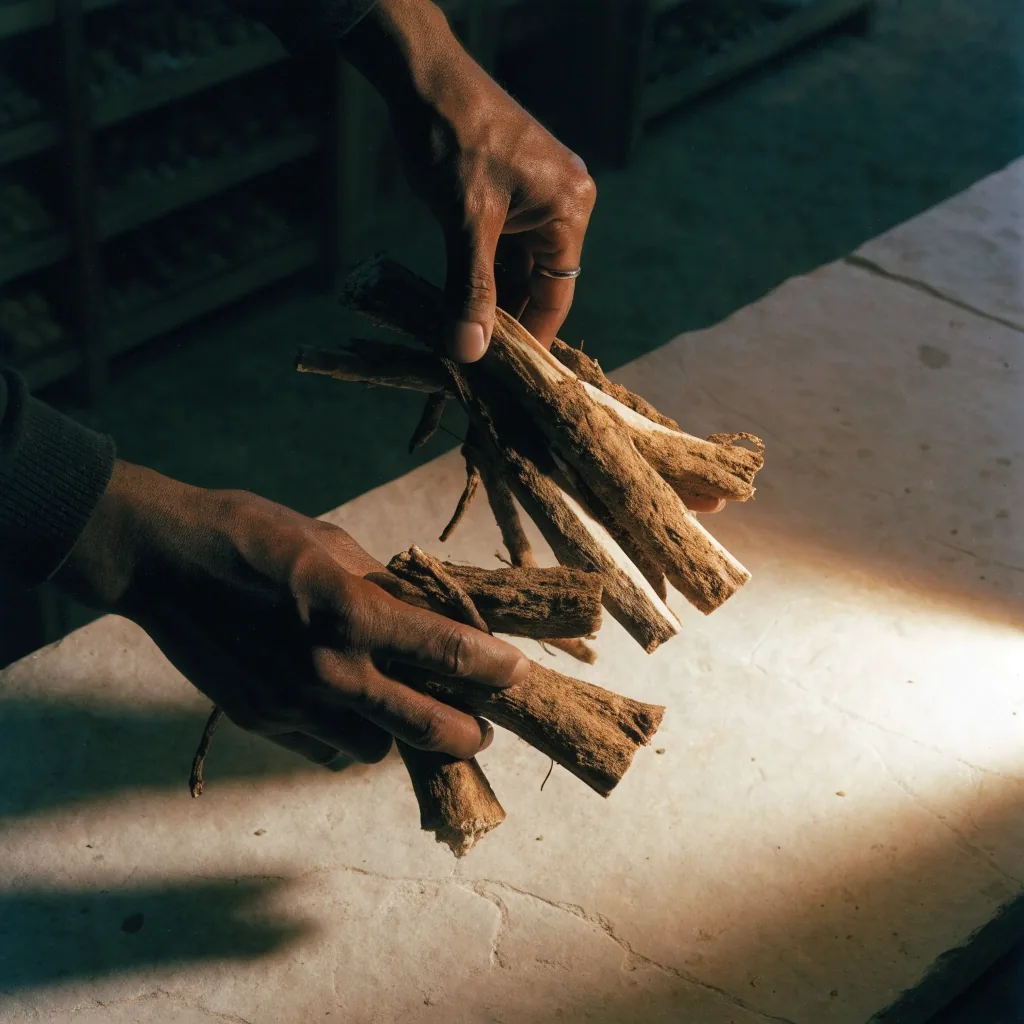
Eurycoma longifolia is better known in Indonesian retail copy as pasak bumi, and it's a distinctly Southeast Asian ingredient. It shows up in vitality and libido-oriented products, including the Natureline formula sold at Watsons. Its regional roots are why men's products in Indonesia look different from Western equivalents: pasak bumi is a local staple, while it's uncommon elsewhere. The ingredient is typically presented in blends rather than as a standalone.
Ginkgo Biloba
Ginkgo biloba is included in Natureline Men's Health and appears widely in supplements marketed for circulation and cognitive support. It illustrates how men's formulas often combine circulation and vitality messaging in a single product. You'll find it in multi-herb blends rather than as the headline ingredient. Its presence signals that a formula is designed for general wellness support, not a single narrow goal.
Zinc
Zinc is the nutrient most often linked to men's health content, and it rarely appears alone. Nuvita Tri Zinc + Vitamin B6, listed in Natural Farm's catalog as a 30-count product, pairs zinc with vitamin B6, a common combination. Zinc is a mineral, not an herb, so its positioning tends to be more nutritional than traditional. Products built around zinc are usually simpler and more affordable than multi-herb blends.
Vitamin B6, the usual partner
Vitamin B6 often accompanies zinc in men's formulas, as it does in the Nuvita product. It's a nutrient rather than a botanical, so it fits products framed around everyday nutritional support. The pairing of a mineral and a B-vitamin reflects a broader trend: simple, nutrient-based products for men who don't want a complex herbal blend. If a label highlights both, you're looking at a straightforward nutrient formula.

What traditional use does and doesn't tell you
An ingredient's traditional use explains why it's in a formula, not what it will do for you. Panax ginseng, pasak bumi and Ginkgo biloba all have long histories in herbal practice, and that history is why they appear together. It's a reason for inclusion, not a promise of outcome. Keep that distinction in mind when you read any label, and treat any product page that skips it as a reason to slow down.
Serenoa Repens
Serenoa repens, commonly called saw palmetto, appears in men's formulas with prostate-support positioning. It's one of the ingredients in Natureline Men's Health, alongside ginseng, Epimedium, pasak bumi, and Ginkgo biloba. Where an ingredient is traditionally associated with prostate wellness, it tends to pull a formula toward an age-specific audience. That's why saw palmetto shows up more often in products aimed at older men.
Epimedium
Epimedium is another botanical in the Natureline blend, and it sits in the vitality group alongside pasak bumi and ginseng. It's less familiar to casual shoppers than ginseng, which is why ingredient guides matter. Its presence tells you the formula is designed around traditional men's wellness themes rather than general nutrition. You'll rarely find it marketed as a single-ingredient product in Indonesia.
Maca and other supporting botanicals
Maca is a root that appears in vitality-oriented products, sometimes alongside pasak bumi and ginseng. It belongs to the same broad family of traditional botanicals used for energy and stamina positioning. Like the others, it's typically one component of a blend. Seeing maca on a label suggests the formulator is building around traditional vitality themes rather than isolated nutrients.
Antioxidants in men's formulas
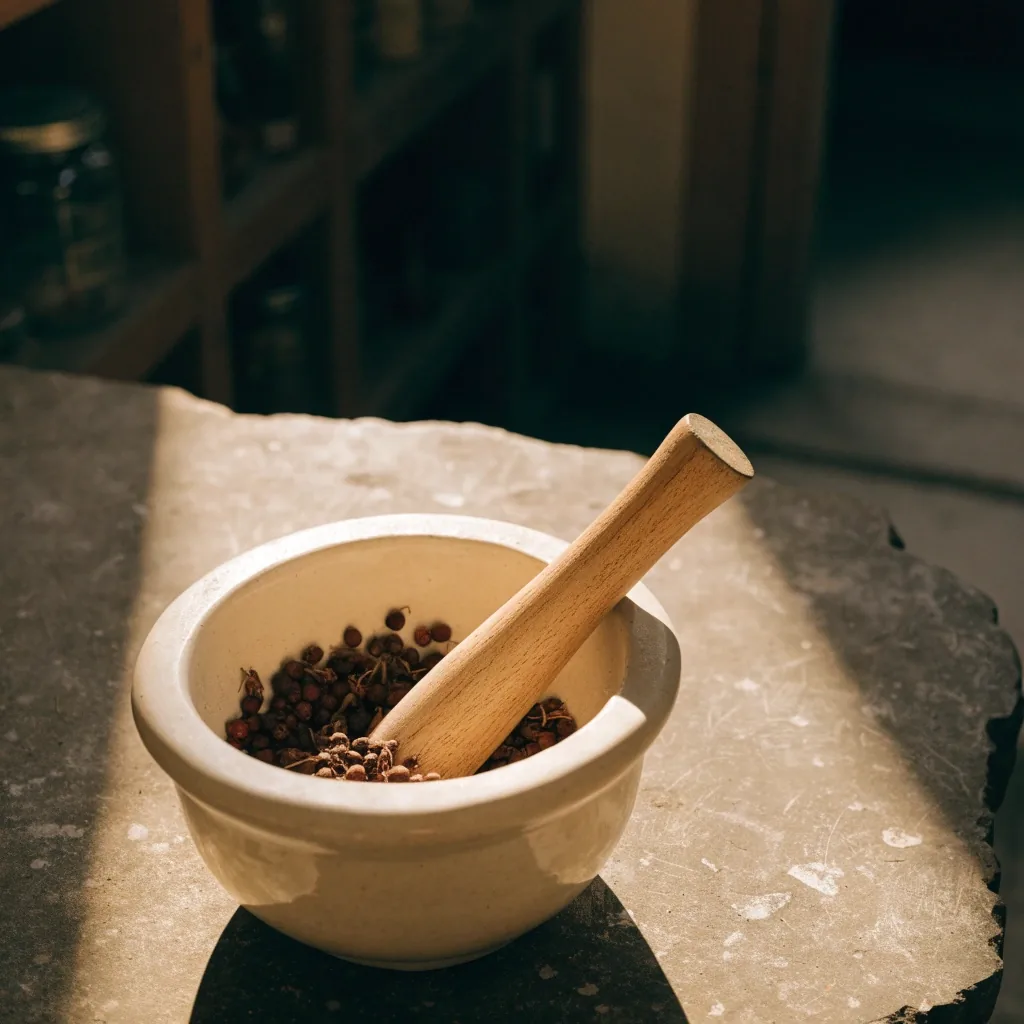
Antioxidant ingredients appear in men's products as supporting components, often unnamed on the front label but visible in the ingredient list. They're part of how a formula addresses general wellness rather than a single target. In practice, they're a minor component you'll notice when reading the full list. Don't expect them to headline a product; treat them as background support.

Single-ingredient vs. multi-herb formats
Not every product is a blend. Nuvita Tri Zinc + Vitamin B6 keeps things to two nutrients, while Natureline stacks five botanicals. Both formats are common locally, and picking between them is mostly about how much you want to reason through.
Two-nutrient format
Easier to reason about
Single-ingredient or two-nutrient products are easier to reason about: you know exactly what you're taking, and the label rarely needs a second reading. They cost less and take up less shelf space in a shared bathroom cabinet. If you are new to the aisle in Indonesia, starting here is a fair way to learn how a nutrient product is put together before moving to a herbal blend.
Multi-herb format
Wider traditional theme
Multi-herb blends cover more traditional themes at once but make it harder to isolate what's doing what. Five botanicals in one capsule means five reasons for inclusion and no easy way to tell which one suits you. That is not a flaw, it is simply a different question: one asks what is in it, the other asks what you are looking for.
How these ingredients get combined
Most men's formulas in Indonesia are multi-ingredient. Natureline Men's Health, for example, brings together Panax ginseng, Epimedium, pasak bumi, Ginkgo biloba, and Serenoa repens in a 30-capsule product. That combination covers circulation, vitality, and prostate themes at once.
Understanding why formulators stack ingredients helps you compare two products that look similar on the shelf. A blend is a set of decisions: which themes to cover, which ingredients to lead with, and how the rest of the list supports them. Reading those decisions is a more useful habit than comparing front-label claims, because two bottles can promise the same themes while giving the ingredients very different weight.

Questions from the aisle
Reading a label for the first time raises a handful of practical questions. These are the ones that come up most often when visitors write to us, answered without the marketing language.
Why is the ingredient order on a label important?
Ingredients are listed by weight, so the first ones are present in the largest amounts. If ginseng is first and Ginkgo biloba is last, the formula leans toward ginseng. That single habit, noticing order, tells you more than the marketing copy. It works on any Indonesian product label, whether the text is in Indonesian or English.
Is pasak bumi the same thing as Eurycoma longifolia?
Yes. Pasak bumi is the name you will see on Indonesian retail copy; Eurycoma longifolia is the botanical name used in the same product's ingredient list. Seeing both on one bottle is normal and not a sign of two separate ingredients.
Should I take a blend or a single-nutrient product?
That depends on what you are trying to understand. A two-nutrient product such as a zinc and vitamin B6 tablet is easy to follow because every line on the label is accounted for. A five-botanical blend covers more traditional ground but gives you less certainty about any single ingredient. If you are unsure, ask a qualified professional before you start anything new.
Are these products a medicine?
No. The products discussed on this page are dietary supplements, not medicines, and they are intended as nutritional support rather than treatment. If you take prescription medication or manage a health condition, speak with a qualified professional before adding any supplement.
How do I ask about one specific ingredient?
Send the ingredient name and the product it appeared on to our contact team and we will explain what the term means and how it is usually positioned locally. We answer ingredient questions by email, Monday to Friday.
Still working through an ingredient list?
Write to us at [email protected] or call +62 361 782 767 during office hours. We will walk through the label with you and point you to the ingredient pages that answer the rest of the question.
One last habit worth keeping: read the ingredient list before the front label, on every product you pick up. The list is the only part of the package a formulator cannot dress up. If you want the ingredient set organised into a shopping route instead of a reading list, the product catalog groups formats the way they sit on the Watsons and Natural Farm shelves in Indonesia.